It’s been quite a few days in the world of banking. In the US Silicon Valley Bank (SVB) and Signature Bank have failed and Silvergate Bank has closed its doors. Silvergate was heavily associated with the crypto industry, reportedly because mainstream banks had been reluctant to form a close association with that industry.
Regulators have since advised they will ensure full protection for all depositors at SVB and Signature Bank. Even with that assurance share prices for regional banks have been under pressure. Investors have become spooked by the rapid demise of SVB. Worryingly investors in global heavyweight Credit Suisse have expressed concerns about the solvency of that institution. This has led to the Swiss National Bank extending a “whatever it takes” type lifeline. Credit Suisse is a globally systemic important institution (and is one of Switzerland’s largest banks). Its failure would be an order of magnitude different from the SVB, Signature Bank and Silvergate Bank episodes. By the time you read this, Credit Suisse may well be owned by UBS!
But how do banks go bust?
We rarely have cause to think about the banking and payment systems that comprise the plumbing of the modern economy. For the most part those systems are highly stable. But it wasn’t always that way. Roll the clock back to the days before prudential regulation, stress tests, deposit insurance (some jurisdictions only), convertibility of commercial bank money into central bank money and the like – and you will find bank failures were much more common.
Thankfully these days bank failures happen only occasionally. The reasons for the failure vary. From holding toxic assets that are hard to value and liquidate (as was case in the Global Financial Crisis) to facing losses from a relatively ‘low risk’ bond portfolio, as was the case with SVB. Paradoxically, rising interest rates exposed those bonds to downside risk, even though they were not toxic or hard to value. This pushed bond prices down.
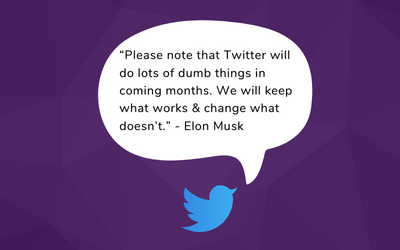
When a bank gets into difficulty, bad things can happen very quickly. It’s like the adage – “how do you go bust? Slowly at first and then quickly”. For SVB the quickly proved to be very quickly – customers withdrew USD $42 billion in a single day. Ironically, some of the speed of that withdrawal was associated with news of SVB’s problems propagating on Twitter. News moved quickly across a customer base that was highly concentrated in the tech industry.
Should we bail them out?
The problem with extending a lifeline to a financial institution on the brink of failure is known as moral hazard. This is the idea financial institutions take on more risk if a bail out is always at hand. In the case of SVB and Signature Bank, the senior management has been removed. Shareholders and certain unsecured debt holders will not be made whole. So, it’s not like the backstopping of those institutions was consequence free. And a lecture on the perils of moral hazard does not solve the problem at hand.
What can we do about bank regulation?
A common question being asked in the financial media right now is whether we have the right regulatory model for banking and financial services. That’s a great question to ask, especially given all of the regulatory reform that was launched after the GFC.
A problem is the response to the current issues will almost certainly be framed in terms of “fighting the last war”. The next issue facing the banking sector, which sparks fears of contagion and collapse will almost certainly stem from a different source. And that’s the dilemma of regulation – how do you get out in front of the unknown?
In my view we are going to have to find regulatory models that can adapt and iterate. Regulators will need to anticipate an emerging catastrophe before it unfolds. None of that is easy. The current pace of technology change means traditional boundaries between low-risk activities and riskier activities can become very blurred, very quickly. Regulators are understandably risk adverse. They are stuck between calling for responsible financial innovation and also knowing a focus on too much responsibility might mean too little innovation. Over the coming months being a financial sector regulator is going to be very challenging indeed!